Lumbar Spine Problems: Symptoms, Causes, Diagnosis & Importance of Early Imaging


Lower back pain is one of the most common health problems affecting people of all ages. Many cases of persistent back pain are related to problems in the lumbar spine, which is the lower portion of the spine responsible for supporting body weight and movement.
Lumbar spine conditions can significantly affect mobility, daily activities, and quality of life. Early diagnosis and proper medical evaluation are essential for effective treatment and recovery.
At Health ways Medical Diagnostic Centre, we provide advanced imaging services to help detect lumbar spine disorders accurately and at an early stage.
What Is the Lumbar Spine?
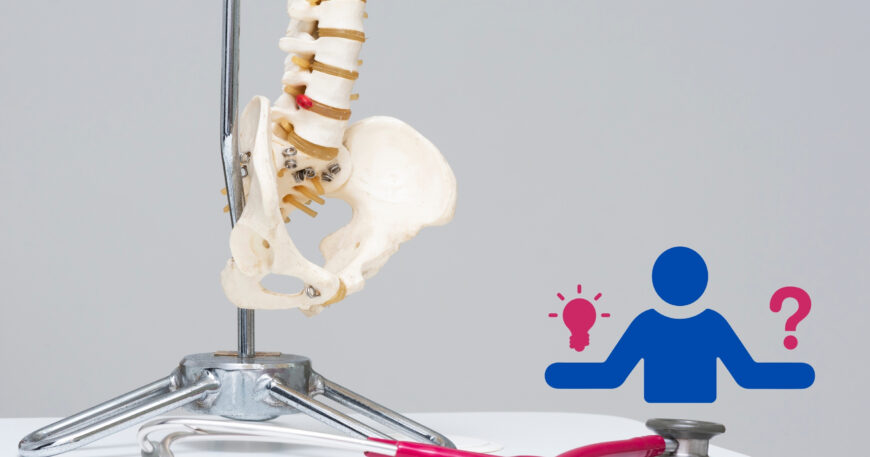
The lumbar spine refers to the lower back region of the spinal column. It consists of five vertebrae labeled L1 to L5. These vertebrae support the upper body and help with movement, flexibility, and stability.
 Between each vertebra are discs that act as cushions and absorb shock during movement.
Common Lumbar Spine Problems
Several medical conditions can affect the lumbar spine, including:
 Herniated Disc (Slipped Disc):
A herniated disc occurs when the soft inner material of a spinal disc pushes through its outer layer, placing pressure on nearby nerves.
 Degenerative Disc Disease:
Age-related wear and tear can cause spinal discs to lose flexibility and cushioning.
 Sciatica:
Sciatica occurs when the sciatic nerve becomes compressed, causing pain that radiates from the lower back into the legs.
 Spinal Stenosis:
This condition involves narrowing of the spinal canal, which may compress nerves and cause pain or weakness.
 Lumbar Spondylosis:
Degeneration of the spine due to aging can lead to stiffness, chronic pain, and reduced mobility.
Muscle Strain and Ligament Injury:
 Poor posture, heavy lifting, or sudden movements can strain muscles and ligaments in the lower back.
Common Symptoms of Lumbar Spine Disorders
Symptoms may vary depending on the underlying condition but often include:
 Persistent lower back pain
- Pain radiating to the legs
- Numbness or tingling
- Muscle weakness
- Difficulty walking or standing
- Stiffness in the lower back
- Pain that worsens with movement
- Difficulty bending or lifting objects
Severe symptoms such as bladder problems or sudden leg weakness require urgent medical attention.
 Causes and Risk Factors
Lumbar spine issues may develop due to:
- Aging and degeneration
- Poor posture
- Heavy lifting
- Obesity
- Sedentary lifestyle
- Repetitive movements
- Sports injuries
- Accidents or trauma
Maintaining proper posture and regular physical activity may help reduce the risk of spinal problems.
 Importance of Early Diagnosis
Ignoring chronic lower back pain can lead to worsening symptoms and complications. Early diagnosis allows doctors to identify the exact cause and begin appropriate treatment.
Benefits of early diagnosis include:
- Faster pain management
- Prevention of nerve damage
- Improved mobility
- Better treatment outcomes
- Reduced risk of chronic disability
Diagnostic Imaging for Lumbar Spine Conditions
MRI Lumbar Spine
 MRI (Magnetic Resonance Imaging) is one of the most effective tools for diagnosing lumbar spine problems. It provides highly detailed images of spinal discs, nerves, muscles, and soft tissues.
MRI is commonly recommended for:
- Persistent back pain
- Suspected slipped disc
- Sciatica symptoms
 Nerve compression
- Spine injuries
CT Scan
CT scans provide detailed cross-sectional images of bones and spinal structures and may be recommended in trauma cases or when MRI is not suitable.
Digital X-Ray
X-rays help evaluate spinal alignment, fractures, arthritis, and degenerative changes.
Treatment Options for Lumbar Spine Disorders
Treatment depends on the severity and underlying cause of the condition.
Common treatment approaches include:
- Physical therapy
- Pain management medications
- Lifestyle modifications
 Exercise and posture correction
- Epidural injections
- Surgical treatment in severe cases
Many patients improve with non-surgical treatment and rehabilitation.
You can help protect your lumbar spine by:
- Maintaining proper posture
- Exercising regularly
- Avoiding heavy lifting
- Using ergonomic seating
- Maintaining a healthy weight
- Stretching frequently during long sitting hours
Simple lifestyle changes can significantly reduce lower back strain.
Advanced Imaging Services at Healthways Medical Diagnostic Centre
At Healthways Medical Diagnostic Centre, we provide advanced diagnostic imaging services for accurate evaluation of spinal disorders.
Our services include:
- MRI Lumbar Spine
- CT Scan Imaging
- Digital X-Ray Services
- Expert Radiologist Reporting
- Patient-Centered Diagnostic Care
Our experienced radiology team works closely with healthcare providers to support timely diagnosis and treatment planning.
When Should You Consult a Doctor?
Seek medical evaluation if you experience:
- Severe or persistent lower back pain
- Pain radiating to the legs
- Numbness or weakness
- Difficulty walking
- Loss of bladder or bowel control
- Back pain after injury or accident
 Prompt diagnosis can help prevent complications and improve recovery outcomes.
Lumbar spine disorders are common but should never be ignored. Persistent back pain, nerve symptoms, or mobility issues may indicate an underlying spinal condition that requires medical evaluation.
Modern imaging technologies such as MRI and CT scans play a crucial role in identifying spinal problems accurately and guiding effective treatment.
At Healthways Medical Diagnostic Centre, we are committed to providing advanced diagnostic imaging services to support early detection and quality patient care.