Stroke Awareness: Recognizing Symptoms & Acting Fast

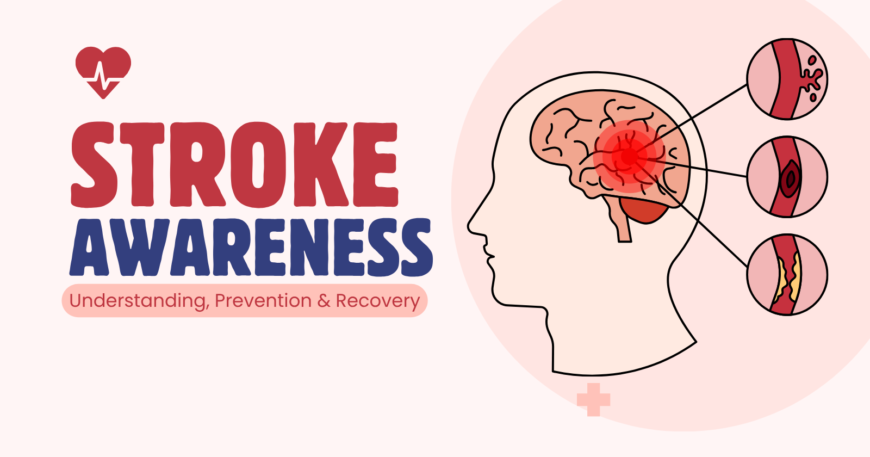
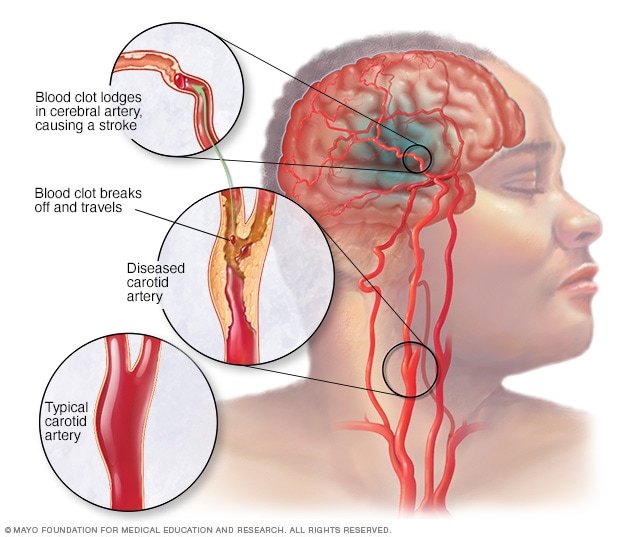
Every year, millions of families are caught off guard by a stroke. When a stroke happens, a blood vessel delivering oxygen to the brain is either blocked by a clot or bursts. Deprived of oxygen, brain cells begin to die at a terrifying speed—about 1.9 million neurons every single minute.
Because a stroke cuts off the brain’s baseline fuel supply, survival and quality of life hinge entirely on how quickly treatment begins. Here is what you need to know to spot the signs, understand the medical response, and know what to expect during recovery.
At Healthways Medical Diagnostic Centre, we are committed to promoting awareness, early diagnosis, and quality imaging services to help patients take control of their health.
What is Stroke?
A stroke—often called a “brain attack”—occurs when the blood supply to part of the brain is suddenly interrupted or severely reduced, depriving brain tissue of vital oxygen and nutrients. Without blood flow, affected brain cells begin to die within minutes, which can rapidly impair control over speech, movement, and memory.
FAST Warning Signs
Recognizing a stroke doesn’t require medical training. The FAST acronym is a globally recognized, highly reliable tool designed to help anyone spot a stroke the moment it happens.
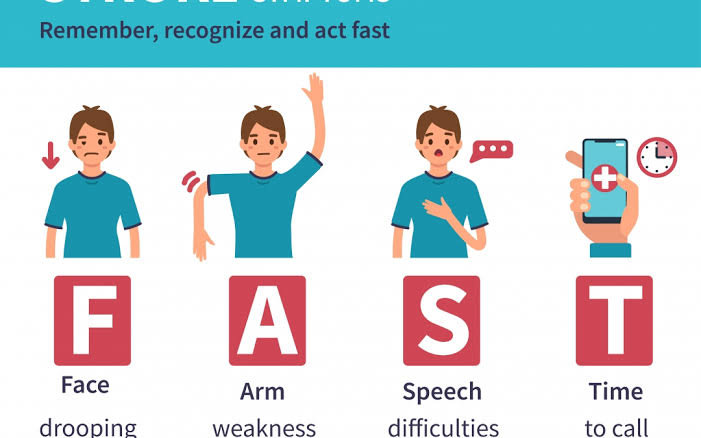
F – Face Drooping: Ask the person to smile. Does one side of the face sag or feel numb? Is the smile uneven?
A – Arm Weakness: Ask the person to raise both arms. Does one arm drift downward? Is one arm weak or completely numb?
S – Speech Difficulties: Ask the person to repeat a simple sentence (like “The sky is blue”). Is their speech slurred? Are they having trouble finding words or understanding you?
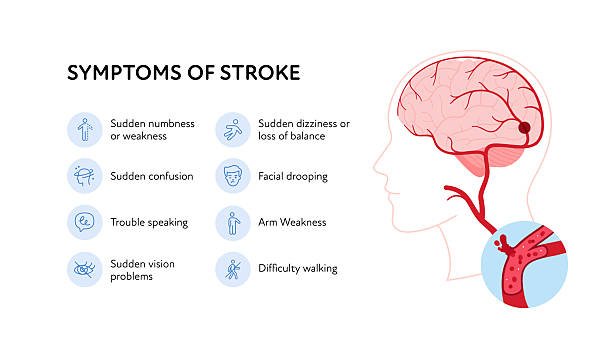 T – Time to Call Emergency Services: If you notice any of these signs—even if they fluctuate or disappear—check the clock to note when they started, and call emergency services immediately. Do not drive the person to the hospital yourself; paramedics can begin life-saving assessment right in the ambulance.
Why Immediate Brain Imaging is Critical
Once a patient arrives at the emergency room, the very first priority is getting a brain scan—usually a rapid Non-Contrast CT scan or an MRI.
Many people wonder why doctors don’t just administer clot-busting medications immediately. The reason is simple: treating a stroke blindly can be fatal. There are two completely opposite types of strokes, and they look identical from the outside, but their treatments are completely incompatible
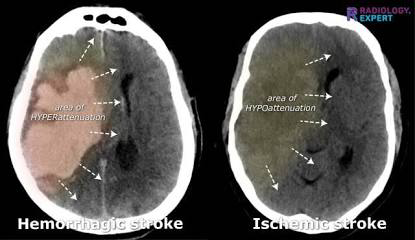
Ischemic Stroke (87% of cases)
An ischemic stroke happens when a clot plugs a blood vessel, blocking blood flow to a region of the brain. On a CT scan, this eventually shows up as an area of hypoattenuation (a darker shaded region indicating tissue suffering from lack of blood).
Treatment: If caught within 4.5 hours of symptom onset, doctors can administer a powerful clot-busting drug called tPA (tissue plasminogen activator) to dissolve the blockage.
Haemorrhagic Stroke (13% of cases)
A haemorrhagic stroke occurs when a weakened blood vessel ruptures and leaks blood directly into the brain tissue. On a CT scan, this appears instantly as a bright, distinct area of hyperattenuation (the pooled blood shows up as white).
Treatment: Giving a clot-busting drug like tPA to a haemorrhagic stroke patient would worsen the bleeding, making it potentially fatal. Instead, treatment focuses on lowering blood pressure and stopping the bleed.
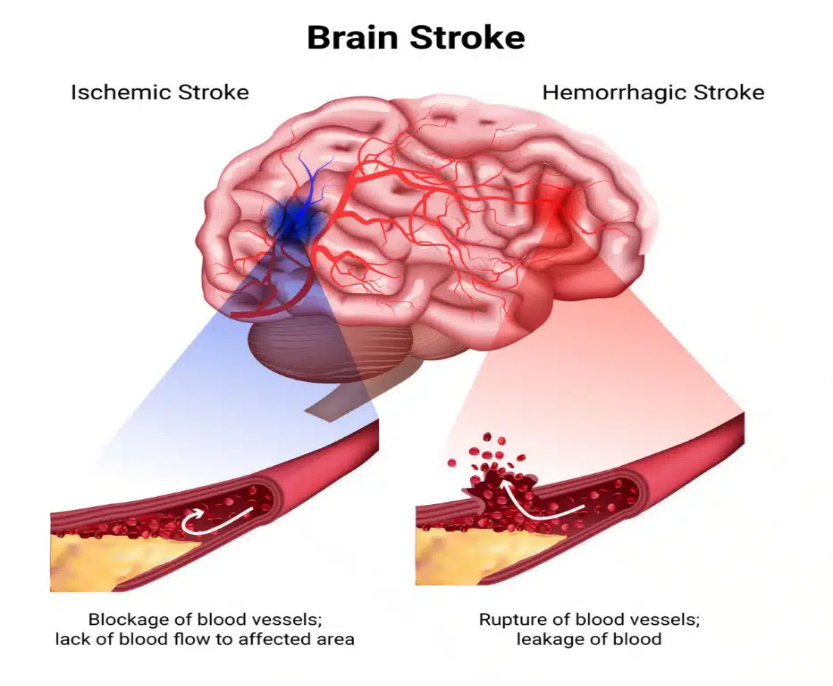 Emergency imaging is the only way for doctors to peer inside the skull, differentiate between these two conditions, and safely choose the correct treatment path.
Road to Recovery: What to Expect
A stroke damages neural pathways, but the brain has an incredible ability to reorganize and adapt through a process called neuroplasticity. Because of this, recovery is a continuum, not an all-or-nothing event.
While every individual’s timeline looks slightly different, stroke recovery generally follows a structured progression:
| Phase | Timeline | Primary Focus |
Expected Outcomes |
| Acute Care | Days 1–7 | Medical stabilization, preventing a secondary stroke, and baseline mobility testing. | Patient shifts from critical danger to a stable baseline; early physical therapy begins at the bedside. |
| Early Rehabilitation | Weeks 1–12 | High-intensity Physical, Occupational, and Speech therapies to capitalize on neuroplasticity. | The period where the most dramatic motor skills, balance, and speech improvements occur. |
| Late Rehabilitation | Months 3–6+ | Refining fine motor skills, building endurance, and adapting to permanent lifestyle modifications. | Focus shifts toward regaining independence, returning to work, or managing lingering deficits safely. |
The Takeaway: Roughly 10% of stroke survivors recover almost completely, and 25% recover with minor impairments. The remaining survivors may face moderate-to-severe deficits requiring long-term care, but ongoing rehabilitation can continue to stimulate progress even years after the event.
The single biggest factor dictating which side of those percentages a patient land on? Time. Memorize the FAST signs, trust the need for immediate hospital imaging, and never wait to see if symptoms “just pass.” Acting fast saves lives—and preserves livelihoods.
Final Thoughts
A stroke can change a life in a single heartbeat, but public awareness and fast action can dramatically rewrite that outcome. Recognizing the FAST symptoms and demanding immediate, high-fidelity neuroimaging are the two most powerful steps you can take to protect yourself and your loved ones. At Healthways Medical Diagnostic Centre, we stand ready as your first line of defence, combining advanced technology with precise, efficient diagnostic protocols because we know that when it comes to a stroke, time is brain. Stay vigilant, act quickly, and trust your health to the experts who prioritize every minute.
If you have any remaining questions or want to discuss a specific concern before your appointment, please reach out to our team or contact us at +92 3351549623. We are here to guide you every step of the way!