Fatty Liver Disease: Causes, Symptoms & Prevention

Understanding Fatty Liver Disease: Causes, Symptoms, and Actionable Steps
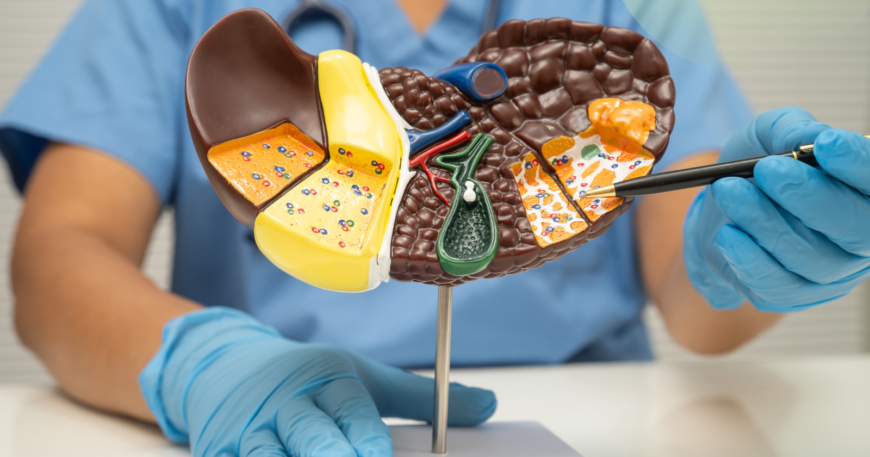
The liver is the ultimate multitasker. It processes everything we eat and drink, filters out toxins, and manages our energy storage. But what happens when excess fat begins to build up within its cells?
This condition is known as Fatty Liver Disease. Globally, it is becoming one of the most common reasons for long-term liver issues. Understanding what causes it, how to spot it, and how it is diagnosed can help you take control of your health before any permanent damage is done. 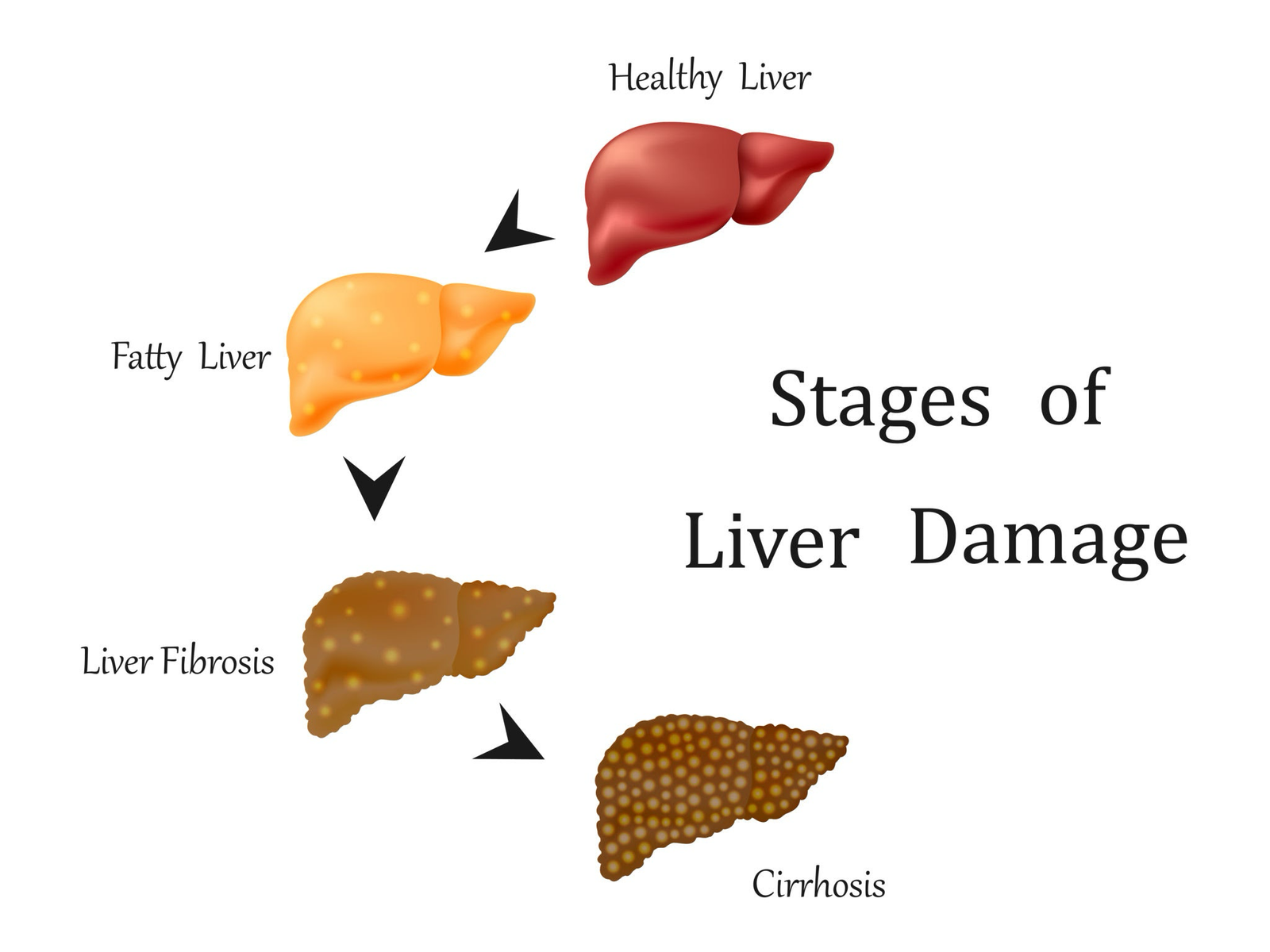
As shown, the condition progresses in stages. It begins as simple fat build up (Fatty Liver), which can progress to inflammation and tissue scarring (Liver Fibrosis), and eventually lead to severe, irreversible damage (Cirrhosis). Catching it early in the first two stages is key, as the liver has an incredible ability to heal itself. At Healthways Medical Diagnostic Centre, we believe that awareness, early diagnosis, and healthy lifestyle choices are key to preventing complications associated with fatty liver diseases
What is Fatty Liver Disease?
While it is normal for the liver to contain small amounts of fat, it becomes a medical concern when fat accounts for more than 5% to 10% of the organ’s total weight. There are two primary types:
Non-Alcoholic Fatty Liver Disease (NAFLD): This form occurs in individuals who consume little to no alcohol. It is closely linked to metabolic health. 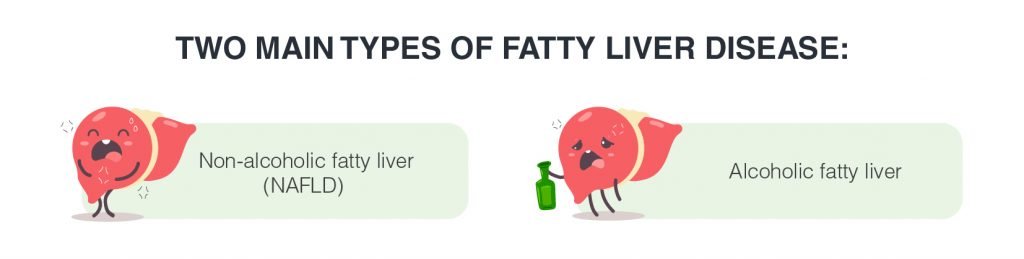
Alcohol-Associated Liver Disease (ALD): This is caused by prolonged, heavy alcohol consumption, which alters how the liver breaks down and processes fats.
Causes of Fatty Liver Disease
Several factors can contribute to the development of fatty liver disease, including:
1. Obesity and Overweight
Excess body fat, particularly around the abdomen, significantly increases the risk of fat accumulation in the liver.
2. Type 2 Diabetes
Poor blood sugar control can lead to increased fat storage within liver cells.
3. High Cholesterol and Triglycerides
Elevated blood lipid levels contribute to fat build up in the liver.
4. Excessive Alcohol Consumption
Alcohol can damage liver cells and interfere with the liver’s ability to process fats.
5. Sedentary Lifestyle
Lack of physical activity can increase the risk of obesity and metabolic disorders associated with fatty liver disease.
6. Certain Medications and Medical Conditions
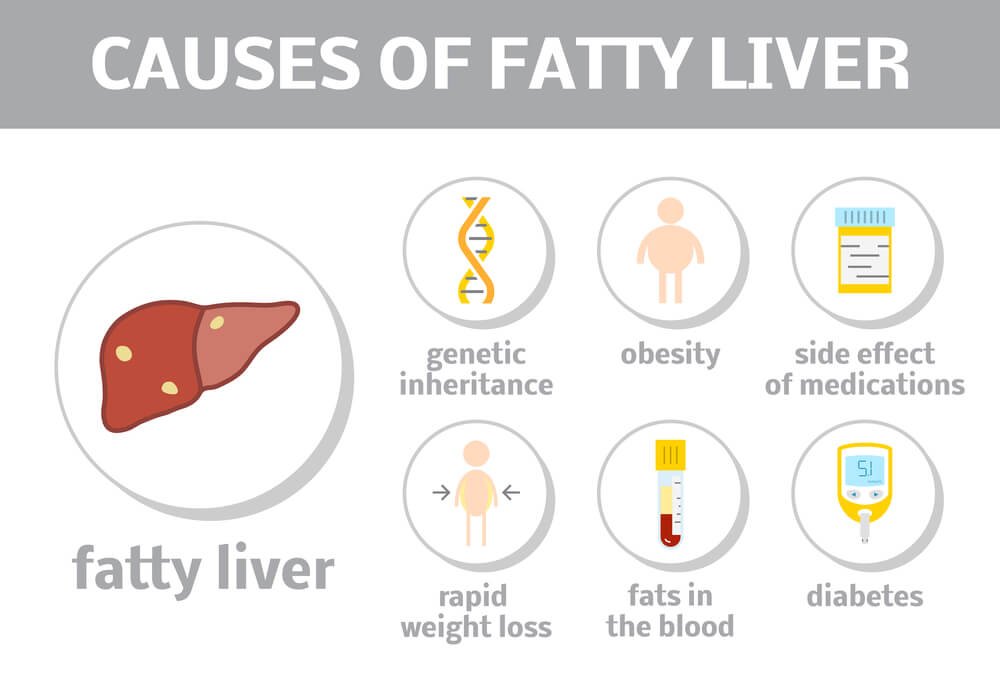 Some medications, rapid weight loss, and metabolic disorders may also contribute to fatty liver development.
The Silent Symptoms
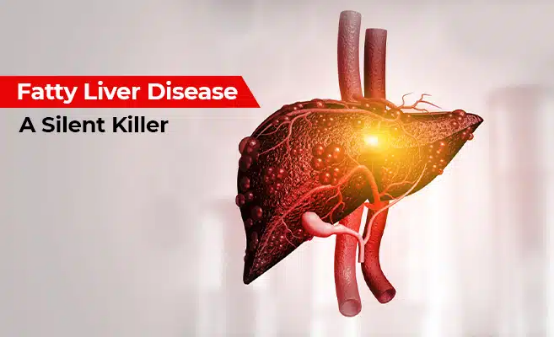
Fatty liver disease is often called a silent condition because it rarely causes noticeable symptoms in its initial stages. Most people feel completely healthy.
As the fat accumulation increases and begins to cause mild inflammation, some individuals may experience:
 A persistent, dull ache or feeling of fullness in the upper right side of the abdomen (where the liver sits).
- Unexplained, chronic fatigue or muscle weakness.
- Unexplained weight loss
- Loss of appetite
- Nausea
- Difficulty concentrating
- Enlarged liver detected during physical examination
In advanced stages, symptoms may include jaundice, abdominal swelling, and signs of liver dysfunction.
How is Fatty Liver Diagnosed?
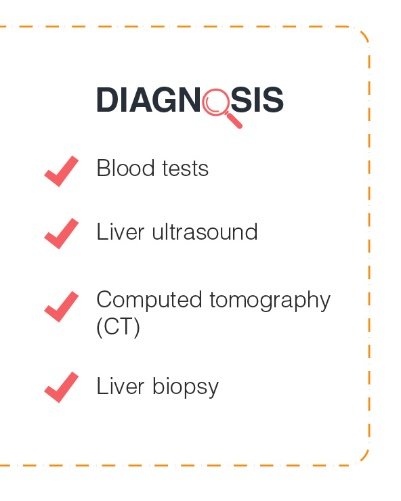 Early detection plays a vital role in preventing liver damage. At Healthways Medical Diagnostic Centre, several diagnostic tools can help assess liver health.
1. Liver Function Tests (LFTs)
Blood tests measure liver enzymes and assess liver function. Elevated enzyme levels may indicate liver inflammation or damage.
2. Ultrasound Examination
Ultrasound is often the first imaging test used to detect fat accumulation in the liver. It is safe, painless, and widely available.
3. CT scan
A CT scan can provide detailed images of the liver and help evaluate the extent of fatty infiltration.
4. MRI
MRI offers highly detailed imaging and can accurately quantify liver fat content in certain cases.
5. Fibrosis Assessment
Specialized imaging techniques may be used to evaluate liver stiffness and identify fibrosis (scarring).
6. Additional Blood Tests
Tests for cholesterol, blood sugar levels, and other metabolic markers help identify underlying risk factors.
Turning It Around: Essential Lifestyle Changes
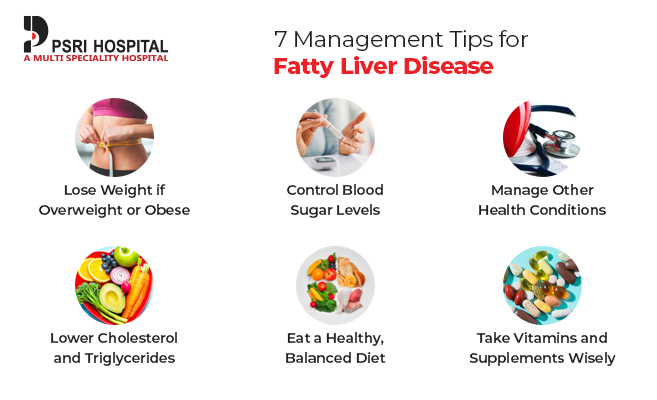
The most reassuring fact about early-stage fatty liver disease is that it is often entirely reversible. Because there are currently no specific medications approved to cure it, lifestyle modifications are the primary treatment strategy.
Adopt a Liver-Friendly Diet
Focus on whole foods
Shift toward a Mediterranean-style diet. Incorporate plenty of green leafy vegetables, legumes, whole grains, and healthy fats like olive oil and nuts. Strictly limit added sugars, especially high-fructose corn syrup found in sodas and packaged snacks, as the liver converts these directly into fat.
 Aim for Gradual Weight Loss
Reduce body weight by 7-10%
If you are overweight, losing 7% to 10% of your total body weight can dramatically reduce liver fat and significantly lower inflammation. Avoid extreme crash diets, as rapid weight loss can actually worsen fat accumulation in the liver.
Stay Physically Active
150 minutes per week
Engage in regular exercise. Aim for at least 150 minutes of moderate-intensity aerobic exercise (like brisk walking, cycling, or swimming) per week, paired with strength training. Physical activity helps your muscles burn glucose and improves insulin sensitivity, taking the pressure off your liver.
Protect Your Liver from Toxins
Consult your doctor
Avoid alcohol completely to give your liver cells the best chance to regenerate. Additionally, be mindful of over-the-counter medications, traditional remedies, and supplements, as processing unnecessary compounds strains an already stressed liver.
Final Thoughts
Fatty liver disease is becoming increasingly common due to modern lifestyle habits, but it is largely preventable and manageable. Understanding its causes, recognizing potential symptoms, undergoing appropriate diagnostic testing, and adopting healthier lifestyle practices can make a significant difference in long-term liver health.
If you have risk factors such as obesity, diabetes, high cholesterol, or a family history of liver disease, consider scheduling a comprehensive liver health assessment at Healthways Medical Diagnostic Centre. Early detection is the first step toward protecting your liver and overall well-being.