Lung Health and The Importance of Early Screening

Lung Health and The Importance of Early Screening
Every single day, your lungs take about 20,000 breaths, working quietly behind the scenes to supply your body with life-sustaining oxygen. Because they are so resilient, it’s easy to take them for granted—until breathing becomes difficult.
At Health Ways Medical Diagnostic Centre, we talk to patients every day who don’t realize that major lung conditions often develop silently. By the time symptoms like a persistent cough or shortness of breath finally show up, the underlying disease may already be advanced.
The good news? Modern preventative medicine gives us the power to see inside the body and catch potential issues long before they change your life. Let’s look at why proactive lung care is your best defence.
The Silent Impact: Smoking-Related Lung Diseases
When we think of smoking, our minds often jump straight to lung cancer. While that is a massive concern, tobacco smoke—including second-hand smoke and vaping—is also the primary driver of several other debilitating chronic conditions.
The most common of these is
1.COPD (Chronic Obstructive Pulmonary Disease)
It is an umbrella term that includes:
Emphysema: A condition where the tiny air sacs (alveoli) in the lungs are progressively destroyed, making it incredibly hard for the body to exchange oxygen.
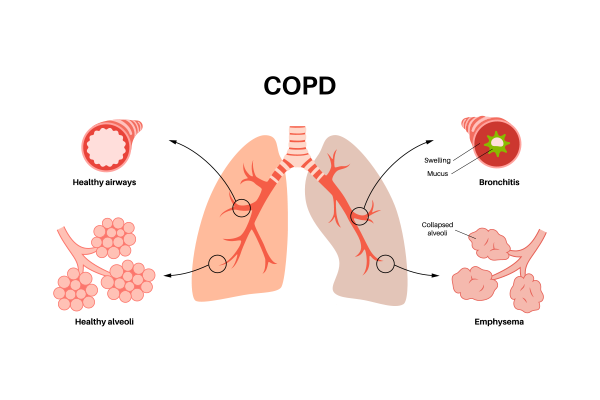 Chronic Bronchitis: Constant, long-term inflammation of the bronchial tubes, leading to a relentless cough and heavy mucus production.
These diseases damage the airways permanently, meaning early intervention is critical to slow down the progression and protect your quality of life.
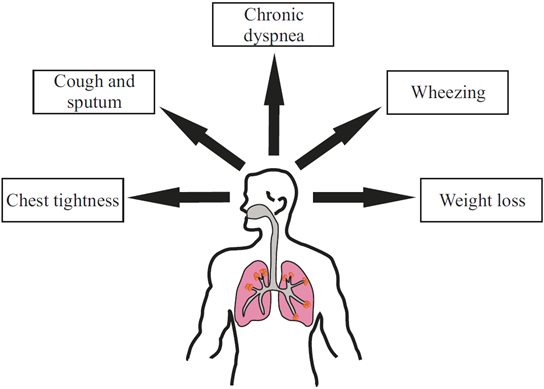 Symptoms may include:
- Persistent cough
- Excessive mucus production
- Shortness of breath
- Wheezing
- Fatigue
If you have a history of smoking, checking in on your lung health early is the single best choice you can make.
2.Lung Cancer
Smoking is the primary risk factor for lung cancer. The risk increases with the number of years and amount of tobacco exposure. Unfortunately, lung cancer often develops without noticeable symptoms in its early stages.
The Power of Early Detection: Lung Cancer Screening
Lung cancer remains one of the most common and serious cancers worldwide. The challenge with lung cancer has always been its stealthy nature; early-stage tumors rarely cause pain or obvious symptoms.
Historically, by the time lung cancer was diagnosed, options were often limited. Today, early screening changes everything. According to the American Lung Association, screening individuals at high risk can catch lung cancer at its earliest, most treatable stage, dramatically increasing long-term survival rates.
Who Should get Screened?
Medical guidelines generally recommend annual lung cancer screenings if you fit the following profile:
- Are between 50 and 80 years old.
- Have a 20 pack-year smoking history (e.g., smoking one pack a day for 20 years, or two packs a day for 10 years).
- Are a current smoker or have quit within the past 15 years?
Benefits of Early Screening
Early screening can:
- Detect lung cancer before symptoms appear
- Identify suspicious nodules requiring further evaluation
- Improve treatment success rates
- Reduce the risk of advanced-stage disease
- Provide peace of mind for high-risk individuals
Consulting a healthcare professional can help determine whether lung cancer screening is appropriate based on individual risk factors.
The Role of Chest Imaging
To catch lung issues early, physicians rely on advanced chest imaging. At Health Ways Medical Diagnostic Centre, we utilize state-of-the-art technology to give your doctor an ultra-clear window into your respiratory health.
Two primary imaging tools are used depending on your symptoms and risk factors:
1. Chest X-Ray
A traditional chest X-ray is an excellent, quick baseline tool. It uses a very small amount of radiation to create a 2D image of your heart, lungs, and chest wall. It is ideal for identifying acute issues like
- pneumonia
- fluid around the lungs
- large masses.
2. Low-Dose CT (LDCT) Scan
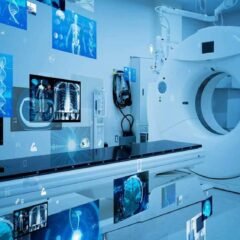
For true preventative screening—especially for lung cancer—a Low-Dose CT (LDCT) scan is the gold standard. Unlike a flat X-ray, a CT scan takes multiple cross-sectional images of your chest, compiling them into a highly detailed 3D view.
Why LDCT is the Gold Standard: An LDCT scan can spot tiny spots or abnormal tissue areas called lung nodules when they are smaller than a grain of rice. Finding these early allows doctors to monitor or treat them before they present a danger. Furthermore, it uses up to 90% less radiation than a conventional chest CT scan, making it safe for routine annual check-ups.
Low-Dose CT (LDCT) Scan of the Chest
Warning Signs That Should Not Be Ignored
Seek medical evaluation if you experience:
- Persistent cough lasting more than a few weeks
- Coughing up blood
- Shortness of breath
- Unexplained weight loss
- Chest pain
- Recurrent respiratory infections
- Wheezing or difficulty breathing
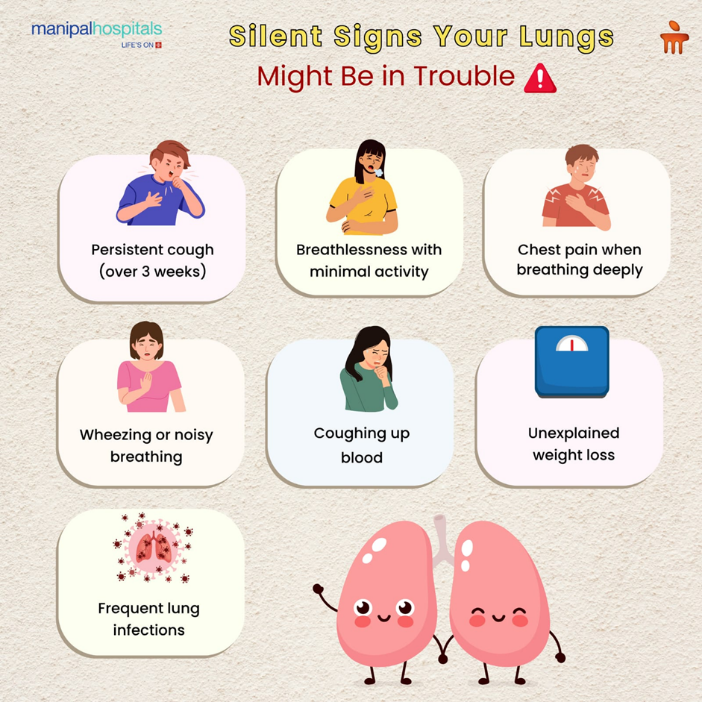
These symptoms do not always indicate serious disease, but they should be assessed promptly.
Take Control of Your Breath Today
Your health is your most valuable asset, and being proactive is the ultimate form of self-care. If you are a current or former smoker, or if you have concerns about your respiratory health, don’t wait for symptoms to force your hand.
Talk to your doctor about whether a preventative chest screening is right for you. At Health Ways Medical Diagnostic Centre, our compassionate team and expert radiologists are here to provide clear answers, accurate imaging, and peace of mind.
Schedule your consultation or chest imaging with us today. Your lungs will thank you.