Headaches: Common Causes & When You Need a Brain MRI.

Common Causes of Headaches and When You Need a Brain MRI
Almost everyone experiences a headache at some point. Whether it is a dull ache after a long day at work or a throbbing pain that forces you into a dark room, headaches are incredibly common. Most of the time, they are temporary and harmless. However, because your head houses your body’s control centre, it is completely natural to wonder: When is a headache just a headache, and when is it a sign of something more serious?
Understanding the different types of headaches, re
cognizing specific “red flag” clinical symptoms, and knowing when advanced diagnostic tools like a Brain MRI are necessary can give you invaluable peace of mind. At Health Ways Medical Diagnostic Centre, we provide advanced MRI services to assist physicians in identifying the underlying causes of persistent or concerning headaches.
Knowing The Types of Headaches
Doctors broadly categorize headaches into two main groups: Primary and Secondary.
Primary Headaches (The Headaches Themselves)
These are independent conditions caused by overactivity or issues with pain-sensitive structures in your head (like muscles, nerves, or blood vessels). They are painful, but they are not signs of an underlying disease.
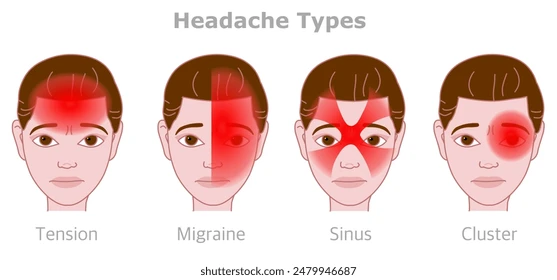
1. Tension Headaches
Tension headaches are the most common type. They typically cause:
- A dull, aching pain
- Tightness or pressure around the forehead or back of the head
- Mild to moderate intensity
- Pain on both sides of the head
Common triggers include stress, fatigue, poor posture, and eye strain.
2. Migraine Headaches
Migraines are more severe and can significantly affect daily activities. Symptoms may include:
- Throbbing or pulsating pain
- Sensitivity to light and sound
- Nausea and vomiting
- Visual disturbances (aura)
Migraine attacks may last from several hours to several days.
3. Cluster Headaches
Cluster headaches are less common but extremely painful. They usually:
- Occur in groups or “clusters”
- Cause severe pain around one eye
- May be associated with tearing, nasal congestion, or facial sweating
 Often occur at the same time each day
Secondary Headaches (The Symptoms of Something Else)
These headaches are a secondary symptom of an entirely different medical issue. Causes can range from something simple, like a sinus infection or dehydration, to more complex conditions involving the brain’s structure or blood vessels. Secondary headaches can result from an underlying medical condition such as:
- Head injury
- Brain tumors
- Stroke
- Infections
- High blood pressure
- Vascular abnormalities
These headaches require prompt medical assessment and often further diagnostic testing.
When to Worry: The “Red Flag” Symptoms
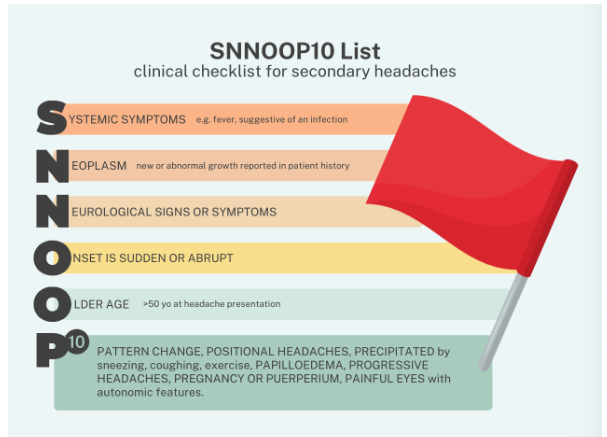 While most headaches are not serious, certain symptoms may indicate a potentially dangerous condition. Seek medical attention if you experience:
Sudden Severe Headache
A headache that reaches maximum intensity within seconds or minutes may signal bleeding in the brain or another neurological emergency.
New Headaches After Age 50
A new onset headache in older adults warrants further investigation.
Persistent or Worsening Headaches
Headaches that become more frequent, severe, or resistant to treatment should be evaluated.
Neurological Symptoms
Seek immediate medical attention if headaches are accompanied by:
- Weakness or numbness
- Difficulty speaking
- Vision changes
- Loss of balance
- Confusion
- Seizures
Headaches Following Head Injury
A brain injury may cause bleeding or swelling that requires urgent imaging.
Headaches with Fever or Neck Stiffness
These symptoms may indicate serious infections such as meningitis.
Headaches That Wake You from Sleep
Frequent night-time headaches or headaches that are worse in the morning may require further investigation.
The Vital Role of Diagnostic Imaging
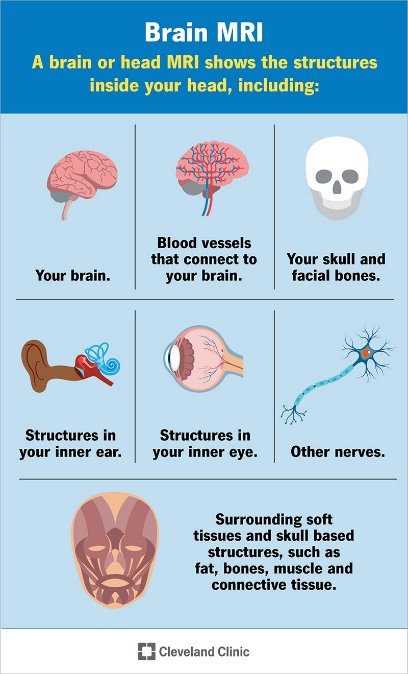 Most routine headaches do not require imaging. However, when red flag symptoms are present, doctors may recommend diagnostic imaging to rule out serious underlying conditions.
What Is a Brain MRI?
Magnetic Resonance Imaging (MRI) uses powerful magnets and radio waves to create highly detailed images of the brain and surrounding structures. Unlike CT scans, MRI does not use ionizing radiation and provides excellent visualization of soft tissues.
Why Might a Brain MRI Be Recommended?
A Brain MRI can help detect:
- Brain tumors
- Stroke and mini-strokes
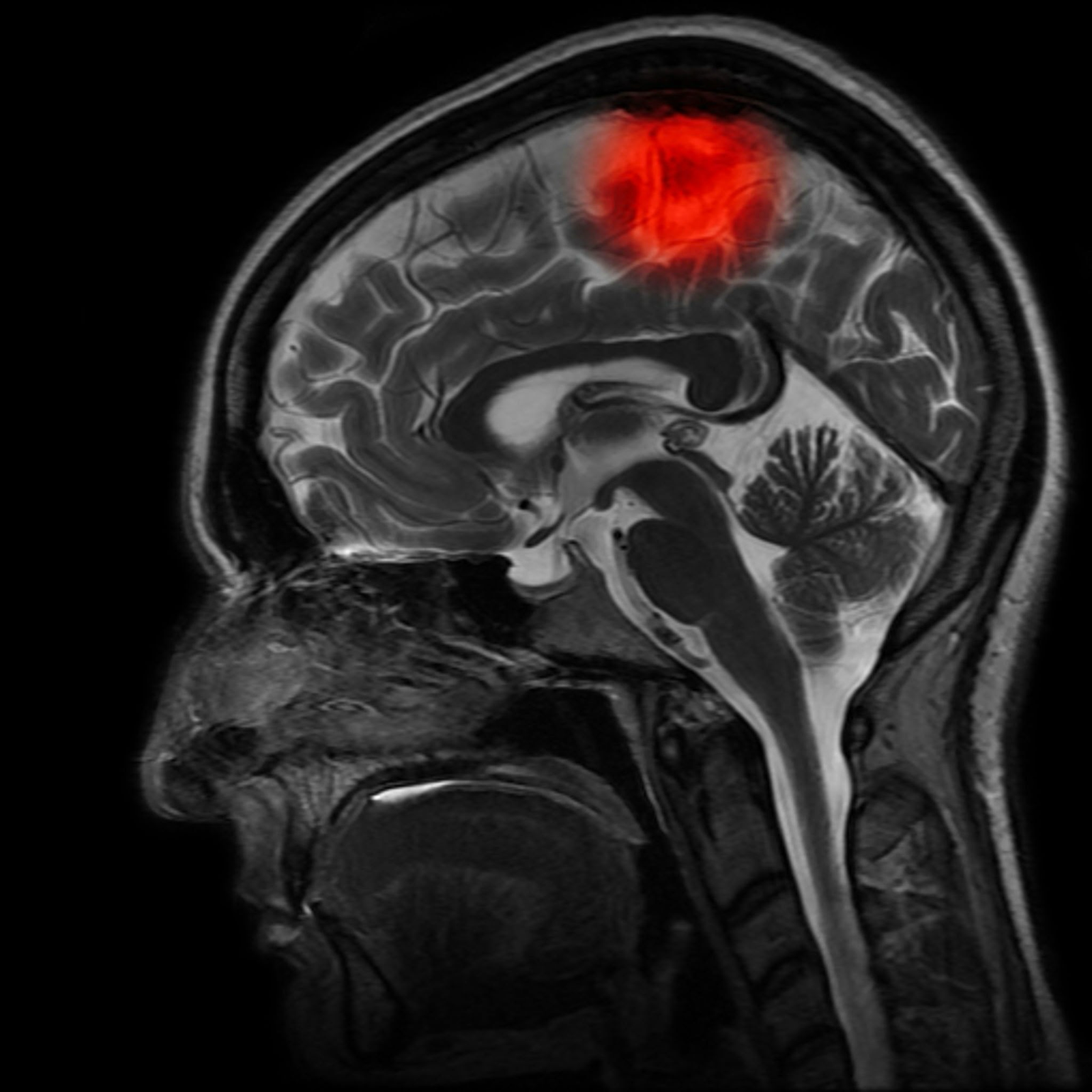
MRI Image of Brain showing a brain tumor
- Multiple sclerosis
- Brain infections
- Blood vessel abnormalities
- Inflammation
- Structural abnormalities
- Causes of unexplained neurological symptoms
Advantages of MRI for Headache Evaluation
- High-resolution imaging of brain tissue
- Excellent detection of subtle abnormalities
- No exposure to radiation
- Safe and non-invasive procedure
- Valuable for investigating chronic or unexplained headaches
When Should You Consider a Brain MRI?
Your physician may recommend a Brain MRI if you have:
✔ Persistent headaches that do not improve with treatment
✔ New headaches with neurological symptoms
✔ Sudden severe headaches
✔ Headaches after trauma or injury
✔ Changes in headache patterns
✔ A history of cancer or neurological disorders
✔ Unexplained dizziness, vision problems, or seizures
Early diagnosis can help identify serious conditions and guide appropriate treatment.
How Health Ways Medical Diagnostic Centre Can Help
At Health Ways Medical Diagnostic Centre, we offer advanced MRI technology and experienced radiology professionals dedicated to providing accurate and timely diagnostic services. Our comprehensive imaging solutions support physicians in diagnosing the causes of headaches and other neurological conditions with confidence.
Whether you are experiencing persistent headaches or have been advised to undergo a Brain MRI, our team is committed to delivering high-quality care in a comfortable and patient-focused environment.
Conclusion
Most headaches are benign and manageable, but certain symptoms may signal a more serious condition requiring medical attention. Understanding the different types of headaches and recognizing warning signs can help you seek timely care. When necessary, Brain MRI plays a crucial role in identifying underlying causes and ensuring accurate diagnosis.
Health Ways Medical Diagnostic Centre – Delivering Precision Diagnostics for Better Health.